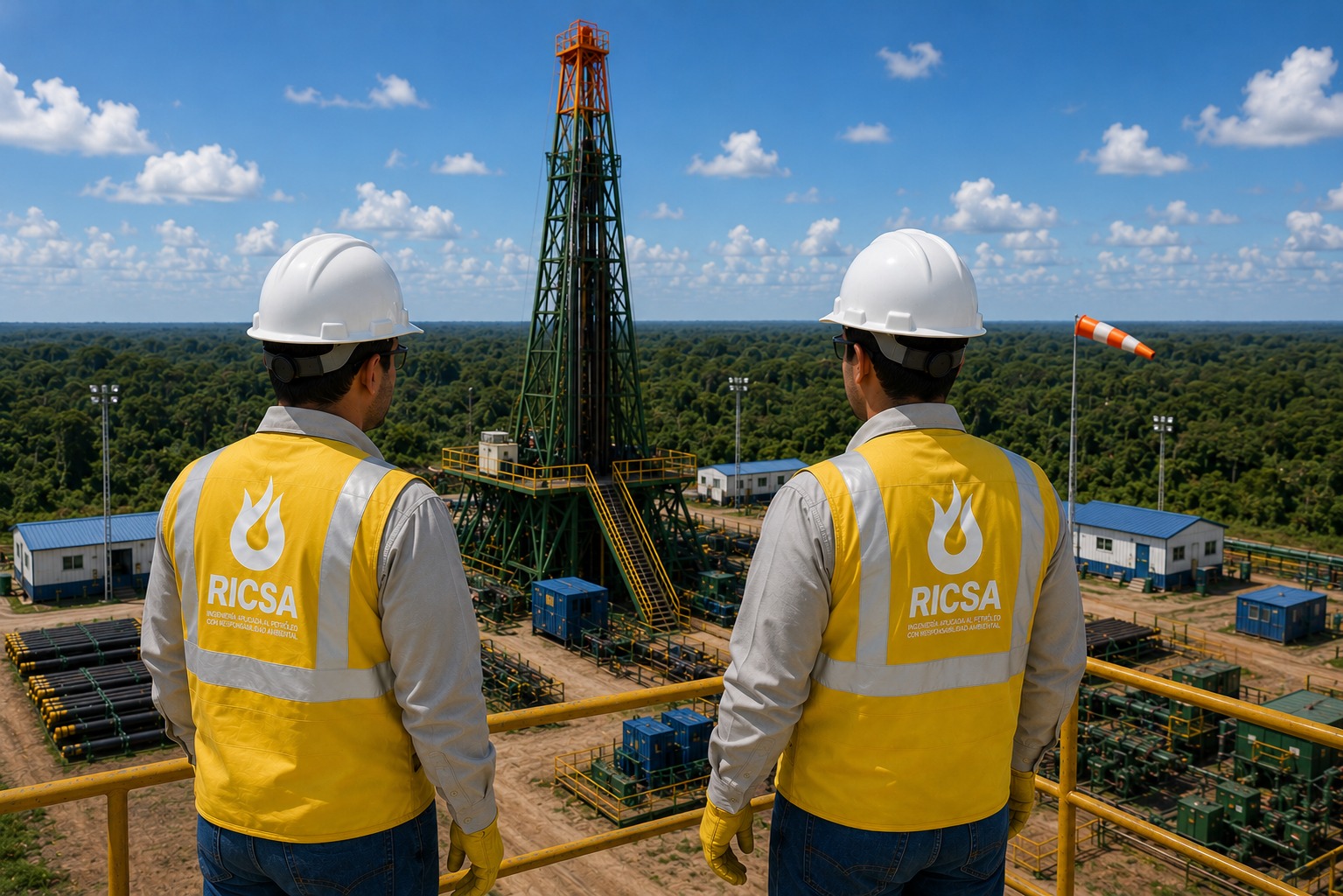
In today’s energy industry, operational integration and environmental responsibility are no longer separate objectives. Modern industrial operations require a strategic balance between efficiency, sustainability, safety, and environmental protection to ensure long-term success and responsible growth.
The Importance of Integrated Operations
Operational integration involves aligning engineering, logistics, technology, safety, and environmental management into a unified operational strategy. This approach improves coordination between teams, reduces operational risks, and increases overall efficiency across upstream and industrial projects.
At RICSA, integrated operational processes are designed to optimize project performance while maintaining strict compliance with environmental standards and industry regulations.
Environmental Responsibility as a Core Principle
Environmental responsibility has become a key factor in the development and execution of modern industrial operations. Companies operating in sensitive environments must implement sustainable practices that minimize ecological impact and preserve natural ecosystems.
Responsible operations include emissions reduction strategies, waste management systems, environmental monitoring, efficient resource utilization, and continuous environmental assessments.
“Sustainable industrial growth depends on integrating operational excellence with environmental responsibility.”
Technology and Sustainable Performance
Technological innovation plays an essential role in improving operational integration and environmental performance. Advanced monitoring systems, automation technologies, predictive maintenance, and real-time data analysis help organizations improve efficiency while reducing environmental risks.
By leveraging modern operational technologies, companies can achieve greater transparency, improve decision-making, and strengthen long-term sustainability initiatives.
Safety, Compliance, and Risk Management
Integrated operational models also enhance safety and compliance processes. Comprehensive risk management strategies, preventive maintenance programs, and safety protocols help protect workers, infrastructure, and surrounding communities.
At RICSA, operational safety and environmental protection remain fundamental priorities throughout every project phase, from planning and execution to monitoring and continuous improvement.
Creating Long-Term Sustainable Value
Organizations that successfully integrate operational performance with environmental responsibility are better positioned to create sustainable long-term value. This approach strengthens corporate reputation, improves operational resilience, and supports responsible economic development within the energy sector.
RICSA continues to promote innovative and environmentally responsible operational solutions that contribute to efficient industrial growth and sustainable development across Peru’s energy industry.
Conclusion
Operational integration and environmental responsibility are essential components of modern industrial success. Through innovation, sustainability practices, and strategic operational management, companies can achieve higher efficiency while protecting the environment and supporting future generations.