The strategic development of upstream energy projects plays a critical role in ensuring operational efficiency, energy sustainability, and long-term economic growth. In an increasingly competitive global energy market, companies must combine innovation, environmental responsibility, and technical expertise to successfully manage exploration and production activities.
Building Efficient Upstream Energy Strategies
Upstream energy projects involve complex processes that require detailed planning, advanced engineering, and precise operational coordination. From exploration and drilling to production and infrastructure management, every stage must be aligned with strategic objectives focused on efficiency, safety, and sustainability.
At RICSA, we understand that successful upstream operations depend on integrating technical expertise with innovative project management methodologies that optimize resources while minimizing operational risks.
Technology and Operational Innovation
Modern energy projects demand the use of advanced technologies capable of improving operational performance and ensuring real-time monitoring of field activities.
Digital transformation, predictive analytics, automation systems, and environmental monitoring tools are becoming essential components of upstream project development.
By implementing innovative operational solutions, companies can improve production efficiency, reduce downtime, and strengthen decision-making processes across all operational stages.
“Strategic energy development requires balancing operational growth, environmental responsibility, and long-term sustainability.”
Environmental Responsibility in Energy Operations
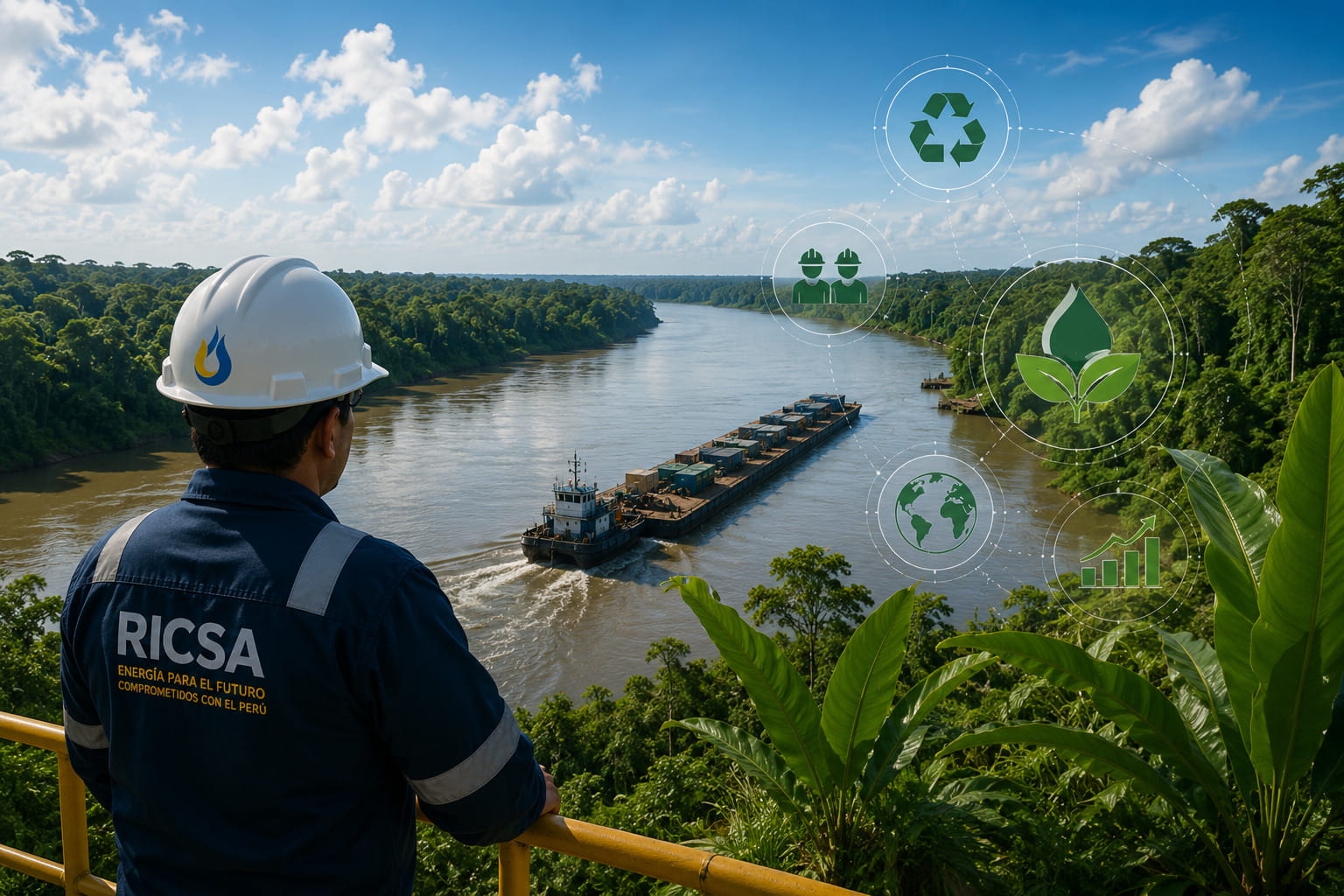
Sustainability has become a fundamental pillar in the development of upstream energy projects. Companies operating in sensitive ecosystems must adopt responsible environmental practices designed to reduce ecological impact and preserve natural resources.
RICSA promotes operational standards focused on environmental protection, emissions reduction, waste management, and continuous monitoring to ensure compliance with international sustainability standards.
Risk Management and Operational Safety
Safety and risk prevention are essential elements in upstream energy operations. Effective project development requires comprehensive safety protocols, personnel training, equipment inspections, and contingency planning to maintain operational continuity and protect both workers and the environment.
Through proactive risk management strategies and continuous operational assessments, organizations can improve reliability and strengthen long-term project performance.
The Future of Upstream Energy Development
The future of the energy industry depends on innovation, collaboration, and responsible project execution. As global energy demands continue to evolve, upstream companies must adapt to new technologies, sustainability expectations, and operational challenges.
RICSA remains committed to supporting the development of efficient, sustainable, and strategically managed energy projects that contribute to the growth of the upstream hydrocarbons sector in Peru and across the region.
Conclusion
Strategic upstream energy development requires a balance between operational efficiency, technological innovation, environmental stewardship, and safety management. By integrating these principles into every project stage, companies can achieve sustainable growth while meeting the evolving demands of the global energy industry.